Foods for glowing skin: a balanced plate
No single food makes skin glow, but a colorful, balanced plate gives your routine a delicious foundation worth building every day.
- Balance and variety matter more than any one superfood.
- Color on the plate usually means variety in nutrients.
- Protein, good fats and fluids all have a place.
- A collagen gummy can sit beside, not instead of, good meals.
Start with the plate, not the shopping list
Search for foods for glowing skin and you will meet a parade of miracle ingredients. The truth is calmer and more useful: skin benefits from the same balanced eating that suits the rest of you.
So rather than memorizing a list, picture a plate. Half colorful produce, a quarter protein, a quarter whole grains or starchy vegetables, and a little healthy fat on top. The public library of nutrition basics at MedlinePlus lays out the idea well.
There is also a practical benefit to thinking in plates. It frees you from perfection. If breakfast was toast on the run, you can still bring color and protein to lunch and dinner. Skin responds to what you do most days, not to a single flawless meal, so a good average beats a heroic Monday followed by a lost Tuesday.
Half the plate: color
Rainbow eating is a handy shortcut. Different colors often signal different nutrients, so variety does the work for you.
- Orange and yellow: carrots, sweet potato, peppers, mango
- Red: tomatoes, strawberries, red peppers
- Green: spinach, broccoli, kiwi, herbs
- Purple and blue: berries, red cabbage, aubergine
Many of these are also rich in vitamin C, which is involved in normal collagen formation. We explore that in vitamin C and skin nutrition basics.
A simple trick is to add one extra color to whatever you already cook. Stir spinach into pasta sauce, scatter berries over porridge, slice peppers into an omelet. The meal stays familiar, and your week quietly becomes more varied without a single new recipe to learn.
A quarter plate: protein
Skin, like every tissue, is built from protein. Eggs, fish, poultry, beans, lentils, tofu and yogurt all contribute. Vary them through the week so no single choice becomes a rut.
If you wonder where collagen fits in, remember that it is one protein among many in your body. Our simple explainer, what is collagen, walks through the basics.
If you cook for others, share the colors. A big tray of roasted vegetables, a pot of beans or a tray of baked fish feeds everyone and leaves leftovers for tomorrow's lunch, which is a gift to your future self.
The finishing touches: fats and fluids
A drizzle of olive oil, a handful of nuts, a few slices of avocado or a portion of oily fish adds richness and satisfaction. Fluids matter too. Water, herbal tea and juicy fruits all help keep you comfortable through the day, and our hydration habits guide has easy ways to remember them.
Here is a sample day to borrow:
- Breakfast: yogurt, berries, seeds
- Lunch: lentil and roasted vegetable bowl with olive oil
- Snack: an orange and a few almonds
- Dinner: salmon or tofu, greens, brown rice
Do not overlook snacks. Fruit with yogurt, hummus with carrot sticks, a boiled egg with cherry tomatoes, or a small handful of nuts keeps energy steady and keeps your eating pattern on track between meals. Prepare two or three of these on a Sunday and the rest of the week runs on autopilot.
Where a supplement fits
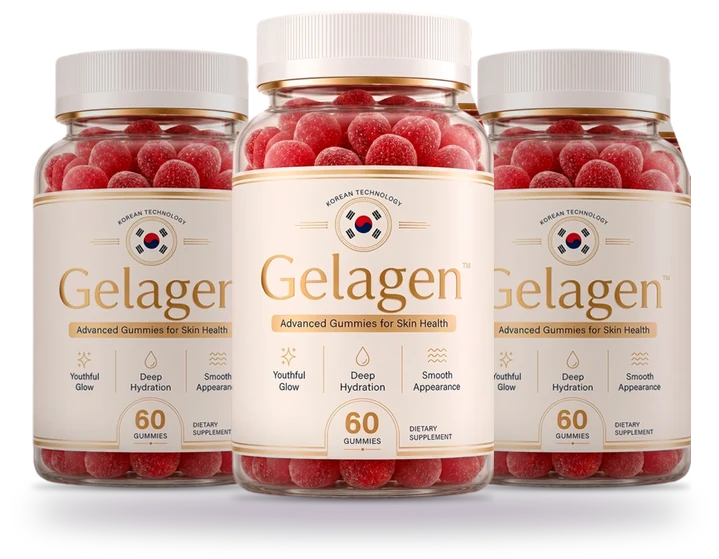
Food comes first. A supplement is an extra, not a shortcut. Gelagen is a collagen gummy dietary supplement. As stated by the brand, it is positioned for skin health, with premium collagen support for youthful glow, deep hydration and smooth appearance, made with Korean technology.
Some people like the gummy format because it is easy to remember on days when meals are rushed. Each bottle has 60 gummies, and you follow the serving directions on the label. The complete Supplement Facts panel is printed on the bottle label, and customer support can share details. To compare formats, read collagen gummies vs powders vs capsules.
Ready to look at the packs? See today's price on the order page. The brand seal shows a 60-day money-back guarantee. For a neutral guide to using supplements alongside food, visit the NIH consumer fact sheet.